
Hip Replacement Types: Options, Benefits and Recovery
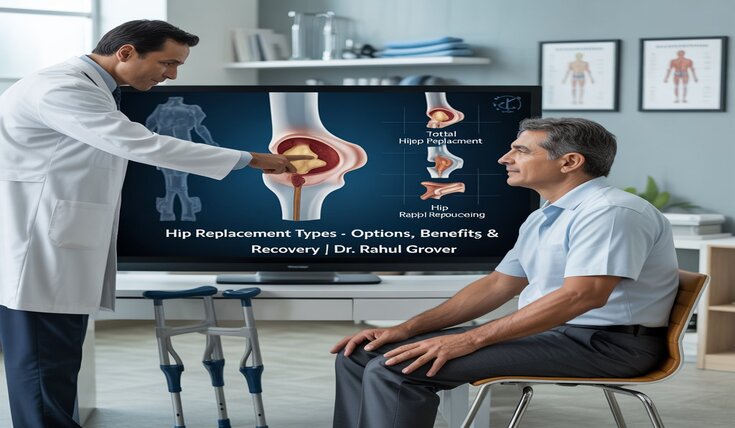
Hip pain can make even simple things such as walking, bending, or sleeping hard to do. When medicines and exercises do not work anymore, surgery might be the next step. Dr. Rahul Grover, a trusted orthopaedic specialist, says that learning about the different hip replacement types helps people understand what treatment suits them best. It also gives them a chance to move freely and live comfortably again.
Understanding Hip Replacement Surgery
When the hip joint gets badly damaged, the worn-out parts of the hip are replaced with artificial parts during a hip replacement surgery. This reduces pain, improves movement, and helps people get back to their normal routine. There are several hip replacement types, each made for different needs and lifestyles.
1. Total Hip Replacement
When talking about hip replacement types, total hip replacement stands out as the most common one. It involves changing both the ball and socket of the hip with artificial pieces that make movement smoother and pain-free. This type is great for patients who are suffering from severe arthritis or long-term joint damage. It provides lasting relief and smoother joint movement.
2. Partial Hip Replacement (Hemiarthroplasty)
This kind of hip replacement changes only the round top part of the thigh bone. The hip socket is left as it is. Doctors often suggest it for elderly patients or those who have had a hip fracture. Because it’s less complicated, healing usually takes less time.
3. Hip Resurfacing
Unlike a total hip replacement, hip resurfacing keeps most of your natural bone. The doctor does not replace the whole joint. This is one of the modern hip replacement types often chosen for younger and more active people. It helps the hip move naturally and makes future surgeries easier if ever needed.
Benefits of Different Hip Replacement Types
All hip replacement types come with their own good points. A total replacement helps the hip stay strong for many years, a partial replacement makes recovery quicker, and resurfacing keeps the bone healthy and firm. Dr. Rahul Grover always plans each surgery according to what works best for the patient’s daily life.
What to Expect During Recovery
Recovery after any of these hip replacement types needs a mix of good rest, gentle exercises, and slow progress. With physiotherapy, most patients start walking with support in just a few days. Dr. Rahul Grover advises following all post-surgery instructions, avoiding strain, and attending regular follow-ups to ensure smooth healing.
Living Well After Hip Surgery
When recovery is complete, most people can move freely and do what they love again. Simple activities like cycling or swimming keep the hip joint fit and strong. A balanced diet and proper care can help the implant stay for long.
In Summary
The doctor looks at how strong your bones are and how active you are to choose the best hip replacement type for you. Dr. Rahul Grover helps you find the right one so you can move, play, and live without pain again.
Had a great experience with us? We’d love to hear your thoughts! Click here to leave a Google review and share your feedback