Reverse Shoulder Arthroplasty: What You Should Know
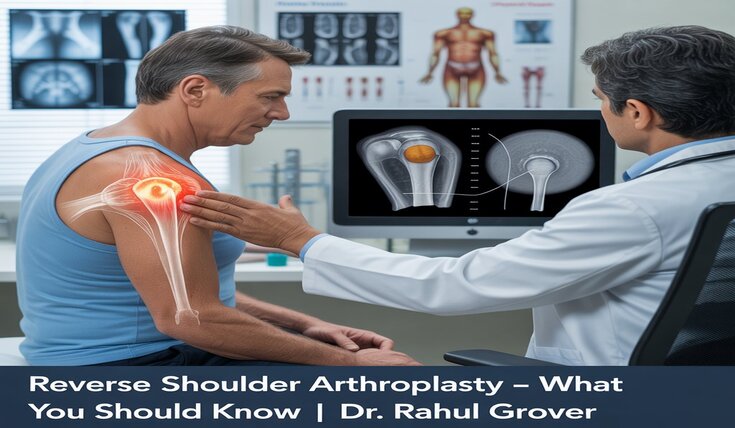
For many people, shoulder pain starts slowly and steadily. At first, it’s only a discomfort, but over time it affects lifting, reaching, sleeping, and even simple routines like getting dressed. When the rotator cuff is deeply injured and stops supporting shoulder function, daily life becomes noticeably difficult. That’s when treatments like Reverse shoulder arthroplasty can make a meaningful difference. It offers a strong chance for long-term improvement by bringing back strength and controlled movement to a damaged shoulder. With Dr. Rahul Grover’s expertise, patients receive a careful evaluation and receive treatment plans according to their needs. Throughout the entire recovery period, he stays closely involved, offering timely and reassuring guidance. His support helps patients feel more confident, comfortable, and prepared at every stage.
When Reverse Shoulder Arthroplasty Is Recommended
Doctors suggest reverse shoulder arthroplasty for specific situations, particularly when the rotator cuff cannot be repaired. The following are the common reasons of recommending reverse shoulder arthroplasty:
- Chronic rotator cuff tear
- Cuff-tear arthropathy
- Severe shoulder arthritis
- Complex fractures
- Long-term pain that does not respond to physiotherapy
In these conditions, the shoulder loses its normal functioning. Reverse shoulder arthroplasty helps restore movement by changing how the joint functions. A thorough clinical assessment ensures that this surgery is truly the right solution.
How the Procedure Works
In this procedure, the typical ball-and-socket structure of the shoulder is reversed. The ball component is fixed onto the shoulder blade, while the socket is placed on the upper arm bone.
This reversed setup matters because it lets the deltoid muscle do most of the lifting work. So even when the rotator cuff cannot support normal movement, the shoulder still functions smoothly with the help of the deltoid.
The goal is simple: smoother movement, better strength, and reduced pain. With modern surgical planning and precise implant placement, patients achieve reliable long-term results.
Immediate Recovery and First Steps
Recovery begins soon after surgery. Patients usually wear a sling for comfort and protection. Gentle movements start under supervision to prevent stiffness and encourage circulation.
The early phase focuses on healing, swelling control, and guided arm support. With the right guidance, patients understand how to lift, rest, and perform routine tasks without strain, supporting smoother recovery after reverse shoulder arthroplasty.
Rehabilitation and Healing Timeline
A structured rehabilitation plan follows:
1–3 Weeks
Passive exercises help with flexibility.
4–8 Weeks
Patients begin controlled active movements.
9–12 Weeks
Strength training starts. The shoulder becomes more stable.
After 3 Months
Most patients notice strong functional improvement.
Regular physiotherapy helps the new shoulder joint settle in well, making movements smoother and more confident over time.
Long-Term Results and Daily Comfort
Many patients experience long-lasting comfort after reverse shoulder arthroplasty. The new joint offers stability, improved strength, and better range of motion. Everyday movements like lifting something light, reaching up to a shelf, or getting dressed start to feel much simpler again.
Final Thoughts
For the right patient group, reverse shoulder arthroplasty is a reliable and long-term solution for severe shoulder problems. With guidance from specialists like Dr. Rahul Grover, patients receive expert care, accurate diagnosis, and a clear path toward a stronger, more comfortable future.
Had a great experience with us? We’d love to hear your thoughts! Click here to leave a Google review and share your feedback.