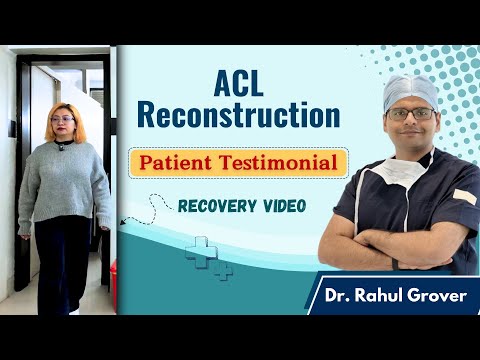
Sports Ligament Surgery
Recover from Ligament Injury with Advanced ACL Tear Treatment in Delhi NCR
Minimally invasive arthroscopic ACL treatment
Focused knee stability and ligament recovery
Back to sports in 3 Months.
Returning to Daily Life
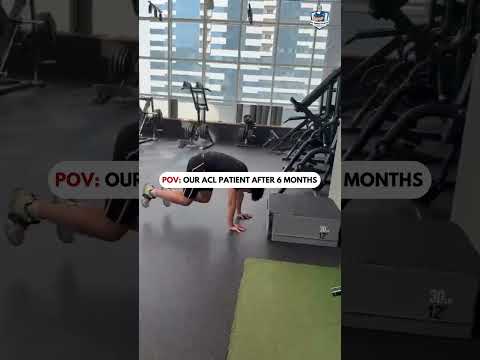
Knee Injury Treatment Journey

Your ACL Specialist
Meet Dr Rahul Grover
Dr Rahul Grover is an experienced orthopaedic and sports injury surgeon in Delhi with expertise in arthroscopy, ACL reconstruction, ligament injuries, joint replacement, and fracture management.
His treatment approach combines accurate diagnosis, minimally invasive techniques, and structured rehabilitation planning to help patients regain knee stability and return to daily activity with confidence.
Need ACL injury advice?
Book a consultation for knee instability, swelling, sports injury, or MRI-confirmed ACL tear.
Book Consultation
Understand Your Injury
What is an ACL Tear?
The ACL, or anterior cruciate ligament, is one of the main ligaments that keeps the knee stable during running, jumping, pivoting, and sudden direction changes.
An ACL tear commonly happens during sports, awkward landing, twisting injury, or sudden stopping movement. It may cause swelling, pain, knee instability, and difficulty returning to active work or sports.
Common in sports and twisting injuries
Can cause swelling and knee giving way
MRI and clinical tests help confirm the tear
Watch: ACL Tear Explained
Learn how ACL injuries happen and when expert care may be needed.
ACL Surgery Guide
ACL Reconstruction Explained
Complete information on ACL reconstruction surgery, recovery, and benefits in an easy-to-understand Hindi video by Dr Rahul Grover.
Complete ACL Surgery, Recovery & Benefits Guide
Understand how ACL reconstruction is planned, what happens during surgery, how recovery progresses, and how structured rehabilitation helps restore knee stability.
- When ACL surgery may be advised
- What arthroscopic reconstruction means
- Recovery and return-to-activity basics
When To Suspect ACL Injury
Signs You May Have an ACL Injury
ACL tears often happen suddenly during sports, twisting, landing, or rapid direction change. These symptoms should not be ignored.
Sudden pop sound in the knee
Many patients feel or hear a pop at the time of injury.
Swelling within a few hours
Quick swelling after injury can suggest internal knee damage.
Pain while walking or turning
Pain may increase during pivoting, stairs, or direction changes.
Knee giving way
The knee may feel unstable or buckle during movement.
Difficulty running or playing sports
ACL injury can make running, jumping, or sports unsafe.
Loss of confidence in knee movement
Patients often avoid activity because the knee feels unreliable.
Watch: ACL Injury Symptoms
Understand warning signs that may need orthopaedic evaluation.
Treatment Decision
When is ACL Reconstruction Recommended?
Not every ACL tear needs surgery. Treatment depends on age, activity level, knee instability, associated meniscus injury, and future activity goals.
ACL reconstruction may be recommended when the knee remains unstable, the patient wants to return to sports, or there are combined ligament or meniscus injuries.
Return to sports or active work is important
The knee repeatedly gives way or feels unstable
Meniscus or other ligament injury is also present
Watch: Arthroscopic ACL Reconstruction
Understand how keyhole ACL reconstruction helps restore knee stability.
Surgical Technique
Arthroscopic ACL Reconstruction
ACL reconstruction is usually performed using keyhole arthroscopy. The damaged ligament is replaced with a graft, which may be taken from hamstring tendon, patellar tendon, or other suitable graft options depending on the patient’s condition.
The goal is to restore stability while preserving knee function.
Keyhole arthroscopy approach
Graft selection based on patient needs
Designed to restore stable knee movement
Compare Your Options
See the Difference for Yourself
Arthroscopic ACL reconstruction is planned to restore knee stability with a minimally invasive approach and a structured recovery pathway.
| Factor | Arthroscopic ACL Reconstruction | Traditional Open Approach |
|---|---|---|
| Incision size | Smaller keyhole incisions | Larger incision may be needed |
| Joint visualization | Camera-assisted view inside the knee | More tissue exposure |
| Soft tissue impact | Less soft tissue disruption | More soft tissue handling |
| Recovery planning | Structured rehab and return-to-activity plan | Recovery depends on procedure and tissue healing |
| Sports goals | Designed for stability during active movement | May be less suited for high-demand goals |
ACL Tear Severity
What Grade ACL Tear Do You Have?
ACL injuries may range from mild stretching to complete ligament tear. Proper clinical examination and MRI help identify the grade and decide the right treatment plan.
Mild sprain
The ligament is stretched but usually remains stable.
Partial tear
The ligament is partly torn and the knee may feel slightly unstable.
Complete tear
The ligament is fully torn and the knee may give way during activity.
Expert ACL Care
Start Your Recovery Journey
Get expert guidance for ACL injury, knee instability, sports injury recovery, and arthroscopic ACL reconstruction planning.
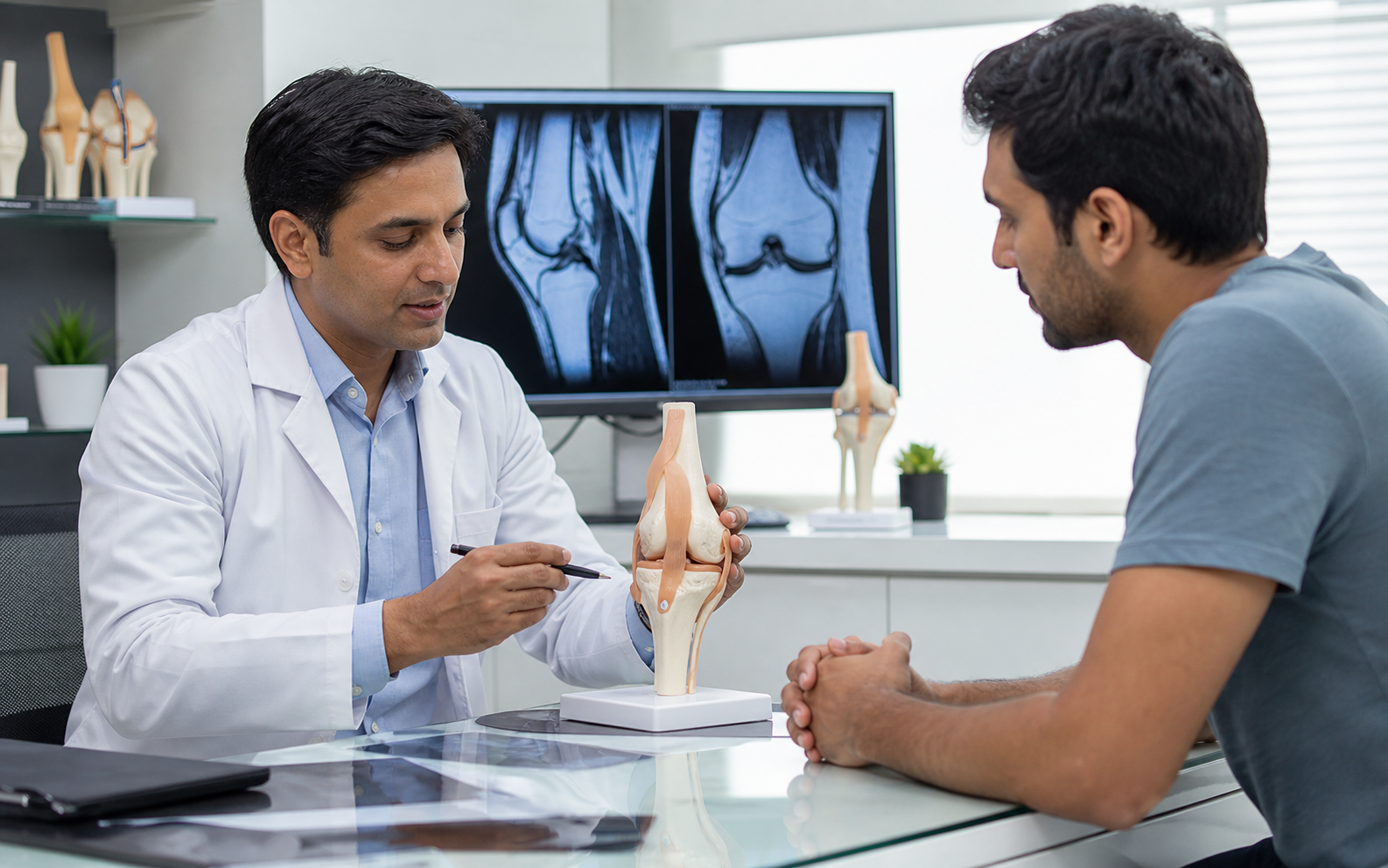
Advanced ACL Support
Ask About Internal Brace
ACL Tear Repair With Fiber Tape Internal Brace
Fiber tape internal brace is an advanced support technique that may be used in selected ACL injury cases to reinforce the repaired or reconstructed ligament during healing.
It is not required for every patient. Dr Rahul Grover decides the right ACL treatment plan after clinical examination, MRI findings, tear pattern, knee stability, and activity goals.
Additional ligament support in suitable cases
Planned after careful assessment of tear pattern
Supports stability-focused ACL recovery planning
Enhanced Protection
Anterolateral Ligament (ALL) Internal Brace
In selected ACL injury cases, additional support on the outer side of the knee may help improve rotational stability and protect the reconstructed ligament during recovery.
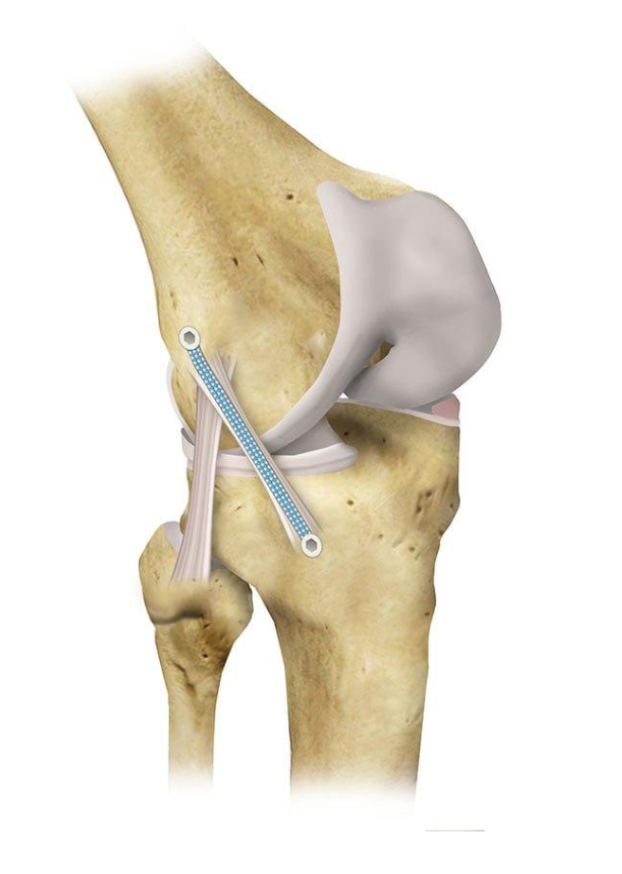
Extra rotational stability for suitable ACL cases
The Anterolateral Ligament, or ALL, supports rotational control of the knee. Some patients with high-grade instability, pivoting sports demands, revision ACL surgery, or specific injury patterns may benefit from an added ALL internal brace along with ACL reconstruction.
Dr Rahul Grover plans this only when it is clinically appropriate after examination, MRI review, and assessment of the patient’s activity goals.
May add protection against rotational instability
Useful consideration for pivoting and high-demand sports
Recommended only after patient-specific assessment
Advanced Surgical Technique
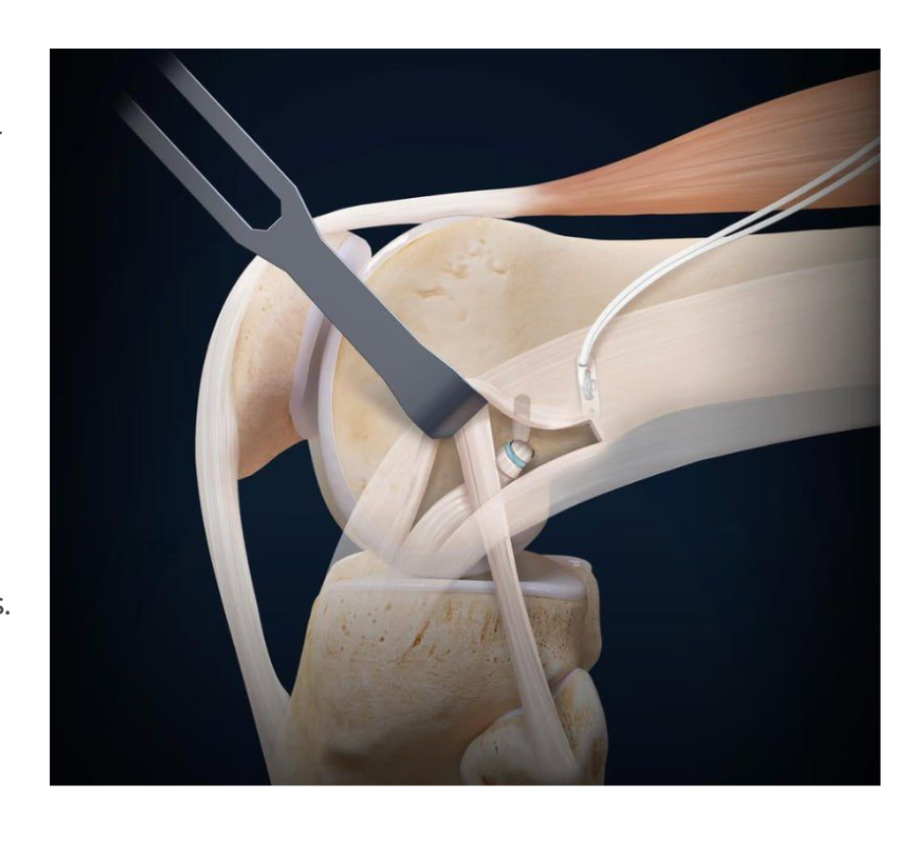
Lateral Extra-Articular Tenodesis (LET)
Lateral Extra-Articular Tenodesis, or LET, is an additional stabilizing procedure that may be combined with ACL reconstruction in selected patients who have significant rotational instability.
It supports the outer side of the knee and may be considered for athletes, high-demand pivoting sports, revision ACL cases, or patients with a high-risk instability pattern.
Helps control rotational looseness in selected knees
Useful consideration for pivoting sports and athletes
Planned with ACL reconstruction only when clinically needed
Expert ACL Care
Start Your Recovery Journey
Get expert guidance for ACL injury, knee instability, sports injury recovery, and arthroscopic ACL reconstruction planning.
Why Choose Us
Why Choose Dr Rahul Grover for ACL Treatment?
Experienced orthopaedic and sports injury surgeon
Expertise in knee arthroscopy and ligament surgery
Advanced treatment planning
Focus on safe return to activity
Personalized rehabilitation guidance
Care for athletes and active patients
Recovery Support
Rehabilitation After ACL Surgery
Rehab is a key part of ACL recovery. A structured physiotherapy plan helps regain knee motion, muscle strength, balance, and confidence.
Dr Rahul Grover guides patients through staged recovery based on healing and functional progress.
Motion
Gradual knee bending and straightening exercises.
Strength
Muscle strengthening to support knee stability.
Balance
Balance and control training for safer movement.
Confidence
Activity-specific progression before full return.
Patient Questions
ACL Treatment FAQs
Can an ACL tear heal without surgery?
Some partial tears or low-demand patients may improve with bracing, strengthening, and activity modification. Complete tears with instability often need specialist evaluation.
How do I know if I need ACL reconstruction?
ACL reconstruction may be advised when the knee remains unstable, there is repeated giving way, combined meniscus injury, or the patient wants to return to sports.
How long does ACL surgery recovery take?
Recovery is staged. Daily activities may improve earlier, while sports return usually needs strength, balance, and stability assessment over several months.
When can I return to sports after ACL surgery?
Many patients require around 6 to 9 months before sport-specific return, depending on healing, rehab progress, strength, and doctor assessment.
Is physiotherapy important after ACL surgery?
Yes. Physiotherapy helps restore knee motion, muscle strength, balance, and confidence. It is a key part of safe ACL recovery.
Watch: ACL Questions Answered
Learn more about ACL injury, surgery, and recovery from Dr Rahul Grover.
Expert ACL Care
Book Appointment
Dealing with knee instability after injury?
Book a consultation with Dr Rahul Grover for ACL diagnosis and a suitable reconstruction or recovery plan.