
Specialized Bone Care
Bone Tumor Surgery and Evaluation in Delhi NCR
Detailed diagnosis and imaging review
Treatment planning for benign and aggressive lesions
Focus on bone function and safe recovery
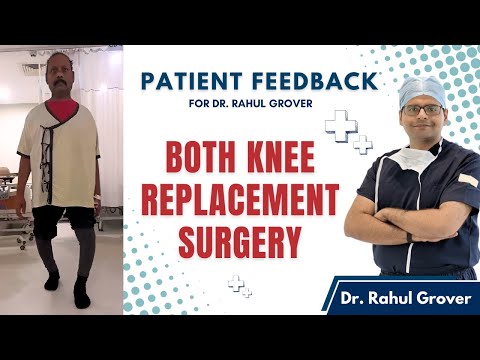
Joint Replacement Recovery Story
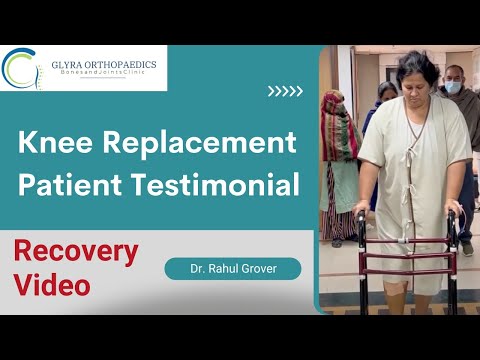
Knee Replacement Testimonial
Treatment Choices
Bone Tumor Treatment Options
Observation and Monitoring
Some benign bone lesions may only need regular monitoring after clinical examination and imaging review.
- X-ray or MRI review
- Symptom tracking
- Follow-up plan for growth or pain changes
Biopsy and Diagnosis
When the lesion type is unclear, biopsy may be needed to confirm diagnosis before planning treatment.
- Careful biopsy route planning
- Histopathology-based diagnosis
- Coordination when advanced tumor care is needed
Bone Tumor Surgery
Surgery may be advised when the lesion is painful, growing, weakening bone, affecting movement, or needs removal after diagnosis.
- Curettage or excision for selected benign tumors
- Bone grafting or cement filling when needed
- Fixation support if the bone is weak
- Function-focused recovery and follow-up


Your Orthopaedic Bone Specialist
Meet Dr Rahul Grover
Dr Rahul Grover is an experienced orthopaedic surgeon in Delhi with expertise in complex bone conditions, fracture management, joint reconstruction, sports orthopaedics, and surgical planning for abnormal bone lesions.
His approach to bone tumor care focuses on accurate diagnosis, safe decision-making, preservation of function, and clear guidance for patients and families.
Have a bone lesion report?
Share your X-ray, MRI, CT, or biopsy report for an expert orthopaedic opinion.
Send Report
Understand The Condition
What is a Bone Tumor?
A bone tumor is an abnormal growth within or around a bone. It may be benign, locally aggressive, or rarely malignant. Many bone lesions are non-cancerous, but every suspicious swelling, growth, or unexplained bone pain needs proper evaluation.
Diagnosis usually depends on clinical examination, X-ray, MRI, CT scan, blood tests, and sometimes biopsy. The correct diagnosis helps decide whether monitoring, medicines, surgery, or referral for advanced cancer care is needed.
Imaging helps understand size, location and bone strength
Biopsy may be needed when diagnosis is uncertain
Treatment is planned to protect function and safety
Benign lesions may only need monitoring
Painful or growing lesions need specialist review
Surgery may include removal, grafting or stabilization
Follow-up is important to track healing and recurrence risk
When To Consult
Signs That Need Bone Tumor Evaluation
Do not ignore persistent bone pain, swelling, or a lesion seen on X-ray. Early evaluation helps avoid delay and unnecessary risk.
Persistent bone pain
Unexplained pain that continues, worsens, or appears at night should be reviewed.
Swelling or lump
A visible swelling near bone or joint needs proper clinical and imaging assessment.
Weak bone or fracture
A tumor can weaken bone and sometimes cause fracture after a minor injury.
Movement restriction
Lesions near joints can cause stiffness, pain with movement, or reduced function.
Abnormal X-ray finding
A reported bone lesion should be interpreted with symptoms and further tests if needed.
Pain with fever or weight loss
Systemic symptoms with bone pain need timely evaluation and diagnosis.
Treatment Decision
When is Bone Tumor Surgery Recommended?
Not every bone tumor needs surgery. Treatment depends on tumor type, size, location, pain, growth pattern, risk of fracture, biopsy result, and whether the lesion is affecting nearby joints, nerves, or daily function.
Surgery may be recommended for painful benign tumors, growing lesions, tumors weakening the bone, lesions causing fracture risk, or conditions where removal is needed after diagnosis.
The lesion is growing or changing on follow-up imaging
Pain persists or affects sleep, work, walking, or sports
The bone is weak and fracture risk is high
Biopsy or imaging suggests the lesion needs removal
Surgical Planning
Bone Tumor Surgery Approach
Bone tumor surgery is planned according to the exact diagnosis. In selected benign tumors, surgery may involve curettage, excision, bone grafting, bone cement, or internal fixation when the bone needs support.
If the lesion appears aggressive or malignant, the treatment pathway may involve biopsy planning, staging, and multidisciplinary care before definitive surgery.
Diagnosis-first planning before surgery
Safe removal or curettage where appropriate
Bone graft, cement or fixation when needed
Follow-up to monitor healing and recurrence
See The Difference
Specialist Evaluation vs Delayed Care
| Factor | Specialist Bone Tumor Care | Delayed Care |
|---|---|---|
| Diagnosis | Imaging and biopsy planned correctly | Diagnosis may remain unclear |
| Bone strength | Fracture risk is assessed early | Weak bone may progress unnoticed |
| Treatment plan | Plan depends on tumor type and location | Wrong timing can complicate care |
| Function | Surgery focuses on preserving movement | Pain and stiffness may increase |
| Follow-up | Healing and recurrence are monitored | Changes may be missed |
Take The Next Step
Get Your Bone Lesion Report Reviewed
Share your X-ray, MRI, CT, or biopsy report for expert guidance on the next step.
Recovery Support
Recovery After Bone Tumor Surgery
Recovery depends on the tumor location, type of surgery, bone grafting or fixation, and overall health. Rehabilitation may include wound care, protected weight-bearing, movement exercises, strengthening, and follow-up imaging.
Dr Rahul Grover guides patients through staged recovery based on bone healing, pain level, movement, and function.
Early Phase
Pain control, wound care, swelling control and protected movement.
Bone Healing Phase
Activity restrictions, follow-up X-rays and gradual movement as advised.
Strength Phase
Physiotherapy for muscle strength, flexibility and joint function.
Long-Term Monitoring
Regular review to check healing, implant status and recurrence risk.
Specialized Bone Care
Why Choose Dr Rahul Grover for Bone Tumor Surgery?
Experienced orthopaedic surgeon
Focused care for complex bone lesions, fracture risk, joint involvement, and functional recovery.
Diagnosis-first approach
Clinical findings, imaging, and reports are reviewed before deciding treatment.
Function preservation focus
Treatment is planned to protect movement, nearby joints, nerves, and bone strength.
Bone reconstruction planning
Bone grafting, cementing, or fixation is considered when the bone needs support.
Clear patient guidance
Patients receive practical advice on diagnosis, treatment choices, recovery and follow-up.
Coordinated care when needed
Aggressive or suspicious tumors are guided toward appropriate multidisciplinary care.
Questions Answered
Bone Tumor Surgery FAQs
No. Many bone tumors are benign. However, proper evaluation is important because symptoms, imaging, and sometimes biopsy are needed to confirm the diagnosis.
Biopsy may be advised when imaging does not clearly show the lesion type or when an aggressive tumor needs confirmation before treatment planning.
Yes. Surgery may be needed if a benign lesion causes pain, grows, weakens the bone, affects movement, or creates fracture risk.
Bring X-rays, MRI or CT scans, blood test reports, biopsy reports if done, previous prescriptions, and any old imaging for comparison.
Expert Opinion
Concerned About Bone Pain, Swelling, or a Tumor Report?
Book a consultation with Dr Rahul Grover for evaluation and a suitable bone tumor treatment plan.