
Joint Replacement Care
Advanced Hip Replacement Surgery in Delhi NCR
Relief from severe hip pain
Improved walking and daily mobility
Personalized recovery planning

Joint Replacement Recovery Story

Knee Replacement Testimonial
Early Joint Care
Non-Surgical Joint Care
Early hip pain or mild joint damage may be managed with medicines, physiotherapy, walking support, lifestyle changes, injections, and regenerative options in selected cases.
- Medicines and activity modification
- Physiotherapy and gait training
- BMAC, PRP or other injection options in selected early cases

Your Hip Replacement Specialist
Meet Dr Rahul Grover
Dr Rahul Grover is an experienced orthopaedic and joint replacement surgeon in Delhi with expertise in hip replacement, knee replacement, sports orthopaedics, fracture surgery, and complex joint care.
His hip replacement planning focuses on correct diagnosis, implant selection, surgical precision, pain control, early movement, and guided rehabilitation for safer return to daily life.
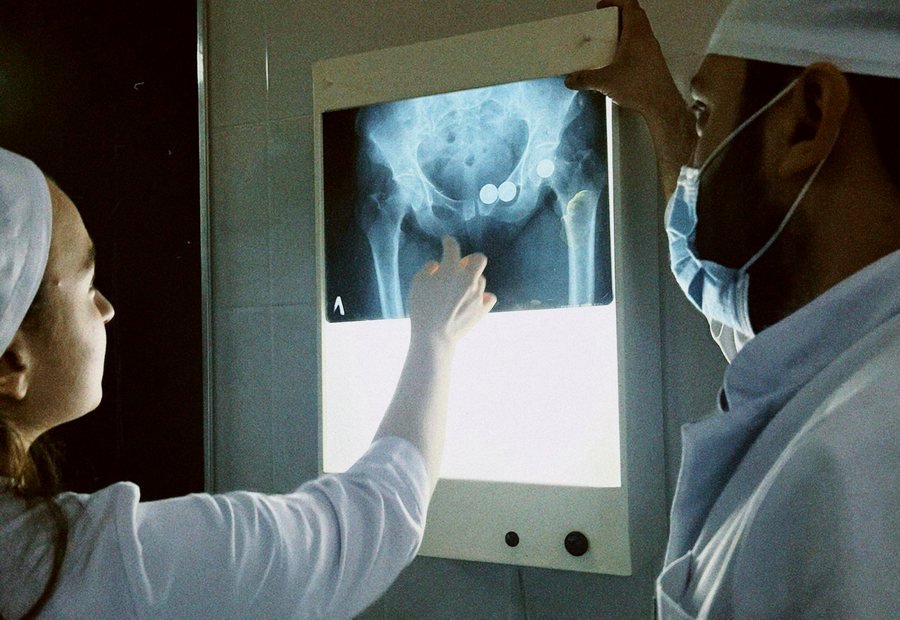
Need hip X-ray advice?
Share your X-ray or MRI report for an expert opinion on hip pain, arthritis, AVN, or walking difficulty.
Send Report
Understand Treatment
What is Hip Replacement?
Hip replacement is a surgery in which the painful or damaged parts of the hip joint are replaced with an artificial implant. It is commonly advised when arthritis, AVN, fracture damage, or joint degeneration causes severe pain and stiffness.
The goal is to reduce pain, improve walking, restore joint movement, and help patients return to independent daily activity with better comfort.
Replaces the damaged hip joint surface
Helps improve walking and daily mobility
Planned around age, diagnosis and activity needs
Watch: Hip Replacement Explained
Understand how hip replacement works and why it may be advised.
When To Consult
Signs You May Need Hip Evaluation
Hip pain should be evaluated when it affects walking, sleep, stairs, or everyday movement despite medicines and rest.
Pain while walking
Hip or groin pain that increases while walking, standing, or climbing stairs.
Night or rest pain
Pain that disturbs sleep or continues even when resting may suggest advanced joint damage.
Hip stiffness
Reduced hip movement, difficulty bending, sitting cross-legged, or wearing footwear.
Difficulty with stairs
Stair climbing, getting up from a chair, or getting in and out of a car becomes difficult.
Need for walking support
Increasing dependence on a stick, walker, or support because of pain or imbalance.
Symptoms despite treatment
Persistent pain despite medicines, physiotherapy, injections, or lifestyle changes.
Treatment Decision
When is Hip Replacement Recommended?
Hip replacement is usually considered when hip joint damage is advanced and non-surgical care no longer gives enough relief. The decision depends on diagnosis, X-ray or MRI findings, pain severity, walking limitation, age, bone quality, and daily activity goals.
It may be advised for advanced arthritis, avascular necrosis, fracture-related joint damage, severe deformity, or persistent hip pain that affects sleep and independence.
Walking and daily activity are limited by hip pain
X-ray or MRI shows advanced joint damage
Pain affects sleep, rest, or independence
Medicines, injections or physiotherapy are no longer helping
Surgical Planning
Total Hip Replacement Procedure
During total hip replacement, the damaged ball-and-socket surfaces of the hip are replaced with artificial components. The implant plan is selected after reviewing the diagnosis, bone quality, age, medical condition, and expected activity level.
Modern hip replacement care focuses on accurate implant positioning, pain control, early mobilization, and guided rehabilitation to support a smoother recovery.
Detailed clinical and imaging assessment
Implant selection based on patient needs
Early walking and recovery planning
Follow-up care for long-term joint function
See The Difference
Hip Replacement vs Delayed Care
| Factor | Hip Replacement | Delayed Care |
|---|---|---|
| Pain relief | Designed to reduce severe joint pain | Pain may continue or worsen |
| Walking ability | Helps improve walking comfort | Mobility may keep reducing |
| Joint damage | Damaged joint surface is replaced | Deformity and stiffness can progress |
| Daily life | Planned for better independence | Daily activities may remain restricted |
| Recovery plan | Guided walking and rehabilitation plan | Activity may decline without structured care |
Take The Next Step
Start Your Hip Recovery Journey
Get an expert opinion for hip pain, arthritis, AVN, fracture-related damage, or walking difficulty.
Recovery Support
Rehabilitation After Hip Replacement
Rehabilitation is an important part of hip replacement recovery. A guided plan helps patients regain walking confidence, hip movement, muscle strength, balance, and safe independence in daily activities.
Dr Rahul Grover guides patients through staged recovery based on healing, implant stability, age, and functional progress.
Early Phase
Pain control, assisted walking, basic hip precautions and gentle movement.
Strength Phase
Hip and thigh strengthening, balance training, and walking improvement.
Daily Activity Phase
Stairs, chair transfers, outdoor walking, and return to routine activity.
Long-Term Care
Follow-up guidance for implant protection and sustained mobility.
Expert Hip Care
Why Choose Dr Rahul Grover for Hip Replacement?
Experienced joint replacement surgeon
Focused orthopaedic care for hip arthritis, AVN, fracture-related damage, and painful hip joints.
Advanced treatment planning
Clinical findings and imaging are reviewed carefully before choosing conservative care or surgery.
Personalized implant decisions
Implant planning is based on patient age, diagnosis, bone quality, and activity needs.
Focus on mobility
Treatment is planned to help patients walk better and return to daily activities safely.
Guided rehabilitation
Step-by-step recovery support helps restore strength, balance, and confidence after surgery.
Care for elderly and active patients
Plans are tailored for older patients, active adults, and patients with complex medical needs.
Questions Answered
Hip Replacement FAQs
Hip replacement may be considered when hip pain, stiffness, or joint damage affects walking, sleep, and daily activity despite medicines, physiotherapy, or injections.
No. It is recommended based on diagnosis and disability, not age alone. Younger patients with AVN, arthritis, trauma, or severe joint damage may also need evaluation.
Many patients begin assisted walking early after surgery, depending on medical fitness, pain control, implant stability, and the surgeon's rehabilitation plan.
Some early or mild cases can improve with medicines, physiotherapy, lifestyle changes, walking aids, injections, or regenerative options. Advanced joint damage may need surgery.
Watch: Hip Replacement Overview
Helpful overview for patients considering hip replacement surgery.
Expert Opinion
Need Advice for Hip Pain or Arthritis?
Book a consultation with Dr Rahul Grover for diagnosis and a suitable hip replacement treatment plan.