Shoulder Instability Care
Shoulder Dislocation Treatment in Delhi NCR
Care for first-time and recurrent dislocation
Bankart, labral injury and instability planning
Safe return-to-sport rehabilitation
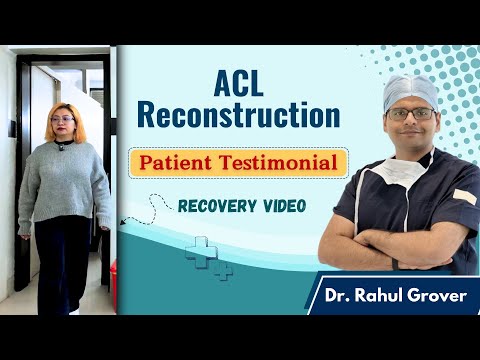
Ligament Reconstruction Testimonial
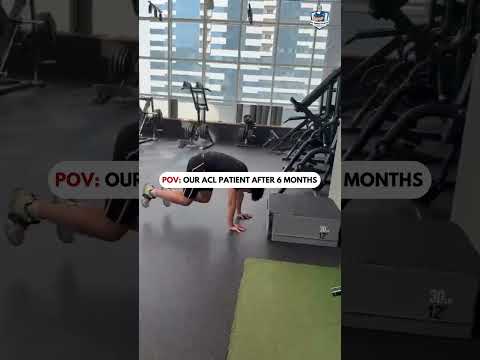
Patient Recovery Story

Your Shoulder Instability Specialist
Meet Dr Rahul Grover
Dr Rahul Grover is an experienced orthopaedic and sports injury surgeon in Delhi with expertise in shoulder dislocation, Bankart lesion, rotator cuff tears, knee arthroscopy, ACL reconstruction, and fracture care.
His shoulder instability approach focuses on accurate diagnosis, MRI review, recurrence-risk assessment, arthroscopic repair when needed, and staged rehabilitation for safe return to activity.
Need shoulder MRI advice?
Share your MRI or X-ray report for an expert opinion on dislocation, Bankart lesion, instability, or labral injury.
Send Report
Understand The Injury
What is Shoulder Dislocation?
Shoulder dislocation happens when the upper arm bone comes out of the shoulder socket. It can occur after a fall, sports collision, accident, or sudden forceful overhead movement.
After dislocation, the labrum and capsule can be damaged. In some patients, this leads to recurrent dislocation, slipping, fear of movement, and difficulty returning to sports.
Common after sports trauma or falls
MRI helps identify labral and Bankart injuries
Treatment focuses on stability and recurrence prevention
Watch: Labral Injury Background
Shoulder labral injuries are closely linked with instability symptoms.
When To Consult
Signs You May Have Shoulder Instability
Shoulder dislocation should be evaluated carefully when instability, pain, fear, or repeated slipping affects daily activity or sport.
Repeated dislocation
The shoulder slips out more than once or feels unsafe during movement.
Apprehension with overhead movement
Fear or discomfort while throwing, lifting, or reaching overhead can suggest instability.
Pain and weakness
Pain, weakness, or reduced confidence can persist after dislocation.
Sports limitation
Contact sports, gym, swimming, throwing, or overhead sports become difficult.
Bankart or labral injury
MRI may show labral damage after shoulder dislocation.
Night pain or stiffness
Pain and stiffness can affect sleep and normal shoulder movement.
Treatment Decision
When is Shoulder Stabilization Recommended?
Not every shoulder dislocation needs surgery. Treatment depends on age, sports level, number of dislocations, MRI findings, labral injury, bone loss, pain, and instability during activity.
Stabilization surgery may be recommended for recurrent dislocation, young active patients at high recurrence risk, Bankart lesion, significant labral injury, or failure of rehabilitation.
The shoulder dislocates repeatedly
MRI shows Bankart or labral injury
Sports or gym activity remains unsafe
Instability continues despite physiotherapy
Advanced Care
Arthroscopic Shoulder Stabilization
Arthroscopic stabilization uses small keyhole incisions and a camera to repair the torn labrum and tighten the capsule in selected instability cases. The goal is to restore shoulder stability while preserving movement.
When bone loss is significant or instability is complex, additional stabilization procedures may be considered after proper imaging and assessment.
MRI and X-ray based instability assessment
Arthroscopic Bankart repair in selected patients
Bone loss assessment for complex instability
Structured return-to-sport rehabilitation
Sports Shoulder Injuries
Shoulder Injuries Athletes Should Not Ignore
Dislocation, labral injury, cuff weakness, and repeated slipping can affect athletes and active patients. Early evaluation helps reduce recurrence risk and protect performance.
See The Difference
Stabilization Care vs Delayed Care
| Factor | Shoulder Stabilization Care | Delayed Care |
|---|---|---|
| Recurrence risk | Instability risk is assessed and treated | Repeated dislocation may continue |
| Labral injury | Bankart or labral tear is identified | Labral injury may remain untreated |
| Sports return | Rehab is staged for safe return | Fear and instability may limit activity |
| Bone loss | Bone defects are checked when needed | Repeated episodes can worsen damage |
| Confidence | Treatment targets stable shoulder control | Movement fear may persist |
Take The Next Step
Start Your Shoulder Stability Recovery
Get an expert opinion for shoulder dislocation, Bankart lesion, labral injury, pain, weakness, or recurrent instability.
Recovery Support
Rehabilitation After Shoulder Dislocation
Rehab helps restore pain-free motion, rotator cuff strength, scapular control, stability, and confidence after shoulder dislocation or stabilization surgery.
Dr Rahul Grover guides recovery based on injury severity, MRI findings, treatment type, sports demands, and functional progress.
Phase 1
Pain control, protection, sling guidance and gentle safe movement.
Phase 2
Shoulder range of motion and rotator cuff activation.
Phase 3
Strength, stability, scapular control and confidence training.
Phase 4
Sport-specific drills, overhead activity and return assessment.
Expert Shoulder Care
Why Choose Dr Rahul Grover for Shoulder Dislocation?
Experienced sports injury surgeon
Focused care for shoulder dislocation, Bankart lesion, labral injury and instability.
Arthroscopy expertise
Minimally invasive stabilization is considered where suitable.
MRI-based diagnosis
Labral injury, Bankart lesion and bone loss are assessed before planning.
Recurrence prevention focus
Treatment is planned to reduce repeated slipping and instability episodes.
Sports return guidance
Recovery is planned around contact sports, gym, overhead activity and daily needs.
Structured rehabilitation
Step-by-step rehab helps restore motion, strength, control and confidence.
Questions Answered
Shoulder Dislocation FAQs
Not always. First-time dislocation may be treated with reduction, sling support and physiotherapy. Surgery is considered when recurrence risk is high or instability continues.
A Bankart lesion is a labral injury that commonly occurs after anterior shoulder dislocation. It can make the shoulder unstable and prone to repeated dislocation.
MRI may be advised when pain, recurrent instability, suspected labral injury, weakness, or sports limitation continues after dislocation.
Return depends on stability, pain, strength, treatment type, sport demands and functional testing. Returning too early can increase recurrence risk.
Expert Opinion
Has Your Shoulder Dislocated More Than Once?
Book a consultation with Dr Rahul Grover for diagnosis and a suitable shoulder stability treatment plan.